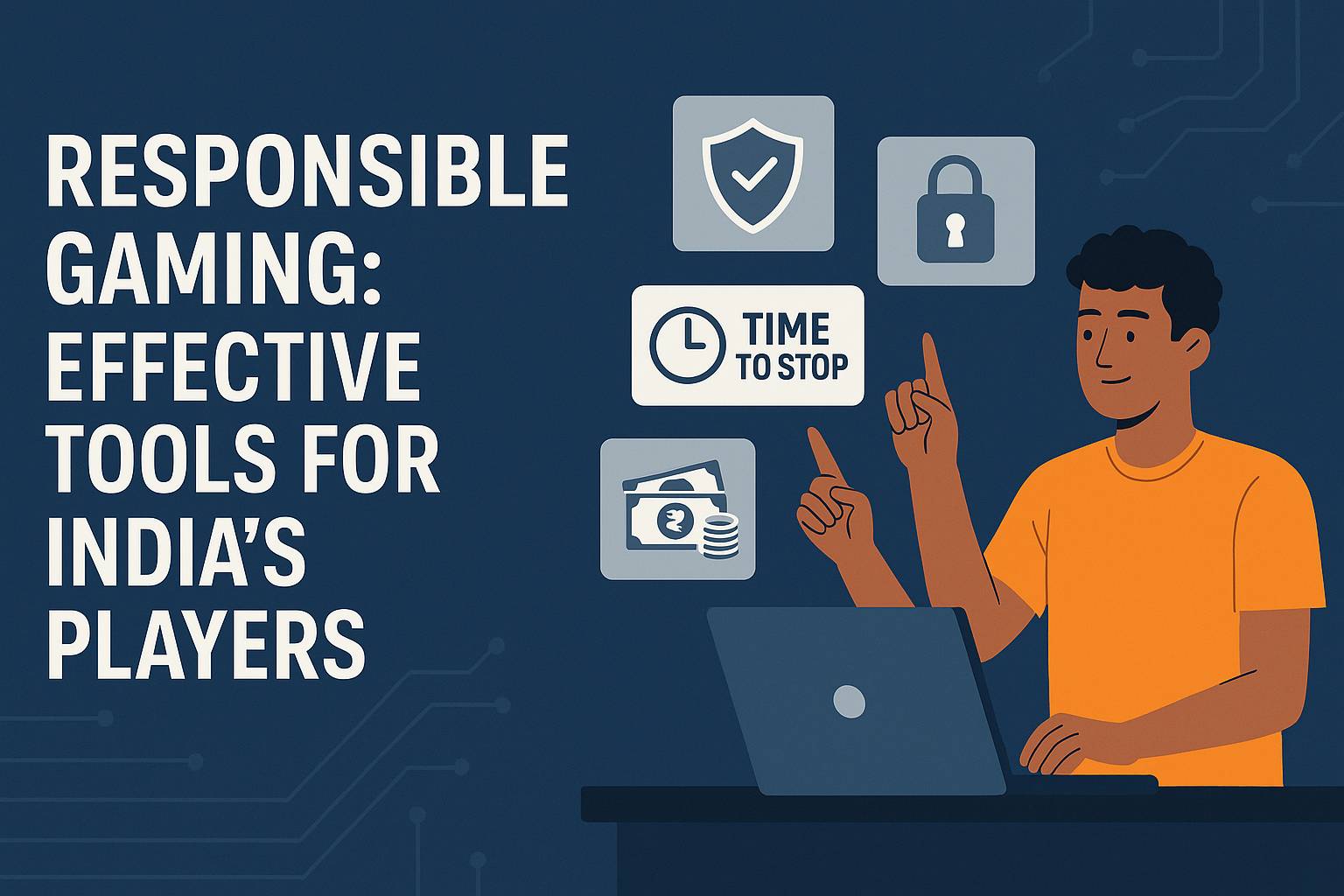
Online gaming and digital entertainment platforms have grown into a global phenomenon, attracting millions of players across different age groups. With this growth comes the responsibility of ensuring that play remains safe, balanced, and enjoyable. Platforms are increasingly adopting tools and strategies to encourage responsible play, aiming to protect users from excessive gaming, financial risks, and harmful behaviors. These tools are not only technological solutions but also educational initiatives designed to foster healthier gaming habits.
Time Management Tools
One of the most common features platforms like daman login use to promote responsible play is time management. Many gaming services now include built-in timers that allow players to track how long they have been engaged. Some platforms go further by sending reminders after a certain period of continuous play, encouraging users to take breaks. These reminders are often customizable, giving players control over their own limits while still nudging them toward healthier habits. By making players more aware of their time investment, platforms help reduce the risk of gaming addiction and promote balance between play and other aspects of life.
Spending Controls and Limits
Financial responsibility is another critical area where platforms intervene. In games that involve microtransactions or gambling-like mechanics, spending can quickly spiral out of control. To counter this, platforms provide tools such as deposit limits, spending caps, and self-exclusion options. These features allow players to set boundaries on how much money they are willing to spend within a given timeframe. Some platforms also offer detailed transaction histories, enabling users to review their spending patterns and make informed decisions. By integrating these financial safeguards, platforms encourage players to enjoy the entertainment without jeopardizing their financial well-being.
Age Verification and Parental Controls
Protecting younger audiences is a major priority for gaming platforms. Age verification systems help ensure that age-restricted content is not accessible to underage players. In addition, parental control tools allow guardians to monitor and regulate their children’s gaming activities. These controls can include restrictions on playtime, spending, and access to certain types of content. By empowering parents with oversight, platforms create a safer environment for children while teaching them the importance of responsible play from an early age.
Self-Exclusion and Cooling-Off Features
For players who feel they need a break, self-exclusion and cooling-off features provide valuable support. Self-exclusion tools allow users to voluntarily block themselves from accessing a platform for a set period, ranging from days to months. Cooling-off features are shorter-term restrictions that encourage players to step away temporarily. These tools are particularly effective in gambling-related platforms, where impulsive behavior can lead to harmful consequences. By offering these options, platforms acknowledge the importance of self-awareness and provide mechanisms for players to regain control.
Educational Resources and Awareness Campaigns
Beyond technological tools, platforms also invest in education. Many gaming companies run awareness campaigns highlighting the risks of excessive play and the importance of moderation. These campaigns often include articles, videos, and interactive tutorials that teach players how to recognize unhealthy patterns. Some platforms collaborate with mental health organizations to provide resources and support for players who may be struggling. By combining education with practical tools, platforms create a holistic approach to responsible play.
Community Guidelines and Moderation
Responsible play extends beyond individual habits to the broader gaming community. Platforms establish community guidelines that promote respectful interaction and discourage toxic behavior. Moderation systems, both automated and human-led, enforce these rules by detecting and addressing harassment, cheating, or harmful conduct. Encouraging positive social interactions helps create a healthier environment where players feel safe and respected. This, in turn, reinforces the idea that responsible play is not just about personal limits but also about contributing to a supportive community.
Conclusion
The tools platforms use to encourage responsible play are diverse, ranging from time management and spending controls to educational initiatives and community moderation. Together, these measures aim to protect players from harm while enhancing the overall gaming experience. As digital entertainment continues to evolve, platforms will likely expand and refine these tools, ensuring that play remains a source of joy rather than stress. Responsible play is ultimately a shared responsibility between platforms and players, and the tools provided serve as essential guides in achieving that balance.
This article is over 500 words and structured with clear headings, offering a comprehensive exploration of how platforms encourage responsible play.