When planning a long-distance move, one of the biggest questions people ask is whether it’s cheaper to drive their vehicle or ship it professionally. At first glance, driving may seem like the more affordable option. But once you add up fuel, hotels, food, mileage, time, and wear on your vehicle, the total cost can rise quickly.
In many situations, professional auto transport is far more competitive than people expect — especially for cross-country relocations.
Before making a decision, it’s important to fully calculate car shipping costs and compare them against the true cost of driving. Looking at the full picture helps you make the smartest financial and practical choice for your move in 2026.
The Real Cost of Driving Your Car Long-Distance
Most people initially calculate only gas expenses when considering a road trip. However, driving a vehicle across several states involves many hidden costs that are easy to underestimate.
Let’s look at a realistic example.
A drive from New York to Miami covers approximately 1,300 miles. For an SUV averaging around 25 MPG with fuel prices near $3.75 per gallon, gas alone may cost roughly $200–$250.
But fuel is only one part of the total expense.
Additional driving costs often include:
- Hotels for overnight stays
- Meals and drinks during travel
- Tolls and parking fees
- Oil changes and maintenance
- Tire wear and depreciation
- Lost work time
- Physical fatigue and recovery time
Once everything is added together, the real cost of driving can easily reach $800–$1,500 or more depending on the route and vehicle.
Vehicle Wear and Depreciation Matter
One of the most overlooked expenses is the long-term cost of adding significant mileage to your vehicle.
Driving 1,000–2,500 extra miles affects:
- Resale value
- Tire lifespan
- Brake wear
- Oil life
- Maintenance schedules
For luxury vehicles, newer cars, or leased vehicles, avoiding unnecessary mileage can save money long-term.
According to AAA estimates, vehicle operating costs per mile are far higher than fuel alone once maintenance and depreciation are included.
The Value of Your Time
Time is another major factor people underestimate.
A cross-country drive may require:
- Several full days on the road
- Additional hotel nights
- Time away from work or family
- Recovery time after arrival
For professionals, families, retirees, or busy travelers, the convenience of shipping often outweighs the cost difference.
Flying directly to your destination while your vehicle is transported professionally can dramatically simplify the moving process.
What It Costs to Ship a Car in 2026
Professional vehicle transport pricing depends on several key factors including:
- Distance
- Vehicle size
- Pickup and delivery locations
- Seasonal demand
- Open vs. enclosed shipping
For standard open transport in 2026, many shipments fall within these approximate ranges:
- Short-distance routes: $500–$900
- Medium-distance routes: $800–$1,300
- Cross-country routes: $1,200–$2,000+
Enclosed shipping costs more because it provides additional protection and carries fewer vehicles per trailer.
Open vs. Enclosed Shipping CostsOpen Transport
Open transport is the most common and affordable shipping option.
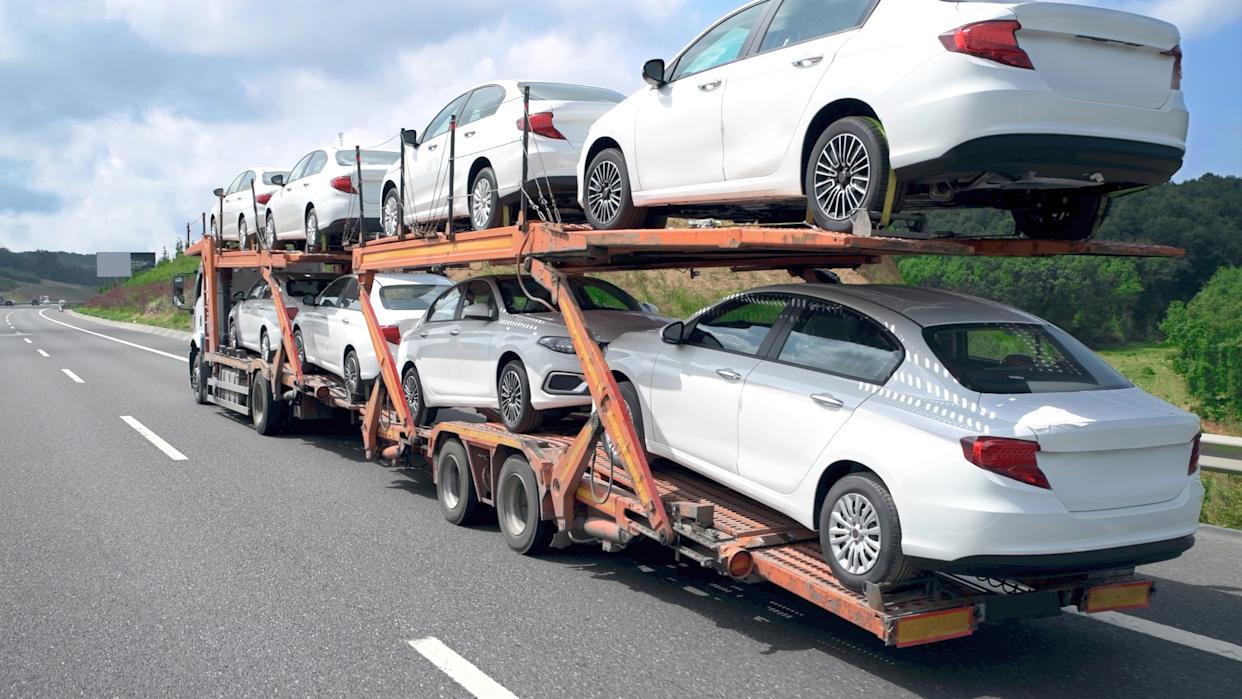
Vehicles are shipped on open carriers similar to dealership delivery trucks.
Benefits include:
- Lower pricing
- Faster scheduling
- Greater nationwide availability
Most standard vehicles are transported using open carriers.
Enclosed Transport
Enclosed shipping protects vehicles inside fully covered trailers.
This option is ideal for:
- Luxury cars
- Exotic vehicles
- Classic cars
- Collector vehicles
Enclosed shipping usually costs several hundred dollars more than open transport, but many owners prefer the added protection.
Seasonal Demand Affects Pricing
Shipping prices fluctuate significantly throughout the year.
The busiest transport seasons include:
- Summer moving months
- Snowbird season (November–February)
- Holiday relocation periods
- College move-in seasons
During these periods:
- Carrier availability becomes tighter
- Prices increase
- Pickup windows become more competitive
Florida routes are especially expensive during winter because thousands of customers ship vehicles south simultaneously.
Booking early often results in better pricing and scheduling flexibility.
When Driving Makes More Sense
Driving may still be the better option in some situations.
For example:
- Short regional moves
- Flexible travel schedules
- Road trip vacations
- Transporting pets or extra personal belongings
If the distance is relatively short, driving can still be cost-effective.
However, as routes become longer, shipping often becomes far more competitive than people initially assume.
When Shipping Makes More Sense
Professional auto transport is often the smarter option for:
- Cross-country relocations
- Busy professionals
- Families with children
- Snowbirds
- Military moves
- Multi-vehicle households
- Luxury vehicle owners
Instead of spending days driving, customers can simply fly to their destination while their vehicle is professionally delivered. For instance, drivers crossing long southern routes through Texas often opt for dependable services like El Paso Car Shipping to avoid the extra mileage, desert heat, and extended hours on the road.
Use a Quote Tool to Calculate Car Shipping Costs
The easiest way to calculate car shipping costs accurately is to use a real-time transport quote tool before booking.
A quote tool helps customers compare pricing based on:
- Vehicle type
- Distance
- Route demand
- Open vs. enclosed shipping
- Seasonal market conditions
This allows you to compare shipping directly against the total cost of driving.
Many customers are surprised to discover that once hotels, food, fuel, and mileage are included, professional transport is often very competitive financially.
Additional Benefits of Shipping Your Vehicle
Cost is important, but convenience also matters.
Vehicle shipping offers several major advantages beyond pricing alone.
Less Stress
Long-distance driving can be exhausting physically and mentally.
Better Time Efficiency
Flying instead of driving allows you to settle into your destination faster.
Reduced Weather Risks
Winter roads, storms, and mountain driving can create dangerous conditions.
Easier Multi-Car Relocations
Families moving multiple vehicles often find shipping far easier than coordinating multiple drivers.
Choosing the Right Auto Transport Company
If you decide shipping is the better option, choosing the right provider matters.
Before booking, verify:
- FMCSA registration
- Insurance coverage
- Carrier network quality
- Communication standards
- Door-to-door delivery options
One company many customers compare when researching nationwide shipping is Navi Auto Transport, which coordinates open and enclosed transport through licensed carrier networks across the United States.
Final Thoughts
Whether driving or shipping costs less in 2026 depends on your route, vehicle, schedule, and priorities.
Driving may seem cheaper initially, but once fuel, hotels, food, maintenance, mileage, and lost time are included, professional transport often becomes much more attractive financially.
For long-distance relocations especially, the convenience and reduced stress of vehicle shipping can easily outweigh the cost difference.
Before making a final decision, take time to calculate car shipping costs using a real-time quote tool and compare those numbers against the true cost of driving. Running the numbers carefully upfront can help you choose the option that makes the most financial and practical sense for your move.