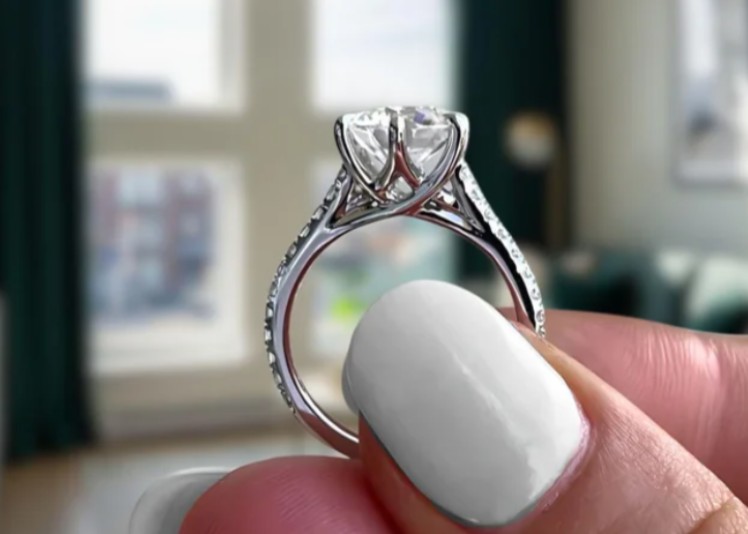
Experienced sellers rarely approach a high-value diamond ring with only one question in mind. They do not ask simply, “How much can I get?” They know the better question is broader: what should be understood before a ring is placed into the market? That difference changes the entire selling experience.
A diamond ring of significant value is not an ordinary item. It may include an important center stone, a carefully made setting, recognized documentation, or a design with lasting appeal. It may also carry personal history. For sellers, experience brings patience. It teaches them that a strong outcome depends not only on price, but on preparation, clarity, timing, and the quality of the buyer’s evaluation.
They Know the Ring Must Be Understood as a Complete Piece
A high-value diamond ring is never judged by the diamond alone. The center stone may be the most important element, but the setting, metal, craftsmanship, condition, and design all contribute to how the piece is understood.
Experienced sellers know this. They recognize that a well-made setting can support the diamond’s presence, while a worn or poorly balanced setting may affect resale appeal. They also understand that the ring’s design can influence demand. A timeless piece may attract broader interest, while a more distinctive design may require a more specific buyer.
This broader view helps sellers avoid oversimplifying the process. They understand that the ring is evaluated as both a gemstone and a finished jewel.
They Prepare Documents Without Depending on Them Entirely
Documentation can be valuable. Certificates, purchase records, grading reports, and previous appraisals can help clarify the identity of the diamond and support buyer confidence. Experienced sellers gather these materials before starting the process because they know documents can make evaluation smoother.
At the same time, they do not assume paperwork tells the whole story. A certificate may describe carat weight, color, clarity, and cut, but it does not fully explain wear, setting condition, market demand, or how the diamond looks in real life.
This is why sellers with experience treat documents as helpful evidence, not as the final answer. They still expect the ring to be examined carefully by professionals who can connect technical information with present market reality.
They Understand That Market Value Is Not the Same as Purchase Price
One of the biggest lessons experienced sellers learn is that resale value and retail price operate differently. The original purchase price may have included showroom experience, branding, design presentation, and emotional timing. Resale value is shaped by what the ring can achieve in the current market.
This difference can feel surprising to first-time sellers, but experienced sellers are prepared for it. They understand that a buyer must consider demand, liquidity, condition, and future resale potential. They also know that a fair offer should be explained, not simply delivered.
This is where guidance matters. Sellers who want to sell your diamond ring with confidence look for a process that makes market reasoning clear, so the final decision feels informed rather than uncertain.
They Choose Clarity Over Pressure
Experienced sellers pay attention to how the process feels. If an evaluation is rushed, vague, or overly focused on quick agreement, they know to be cautious. A high-value ring deserves a careful conversation, not a hurried transaction.
Clarity is what gives sellers confidence. They want to know how the diamond is assessed, how the setting affects value, whether the documentation helps, and how current market conditions influence the offer. When these details are explained well, the process becomes easier to trust.
A serious buyer does not create pressure. A serious buyer creates understanding. Experienced sellers recognize this difference immediately.
Conclusion
Selling a high-value diamond ring is not only about receiving an offer. It is about understanding the ring, preparing the right information, separating resale value from original purchase price, and choosing a process that feels transparent from beginning to end.
Experienced sellers know that confidence comes from clarity. They do not rely on appearance alone, nor do they assume that paperwork or sentimental value will determine the outcome. Instead, they look for careful evaluation, honest explanation, and a buyer who understands the full value of the piece as both a diamond and a ring.
That approach leads to better decisions. When sellers understand what truly influences resale value, they can move forward without confusion or regret. A high-value diamond ring deserves that level of care, and the selling process should give the owner not only a price, but a clear reason to trust the decision.