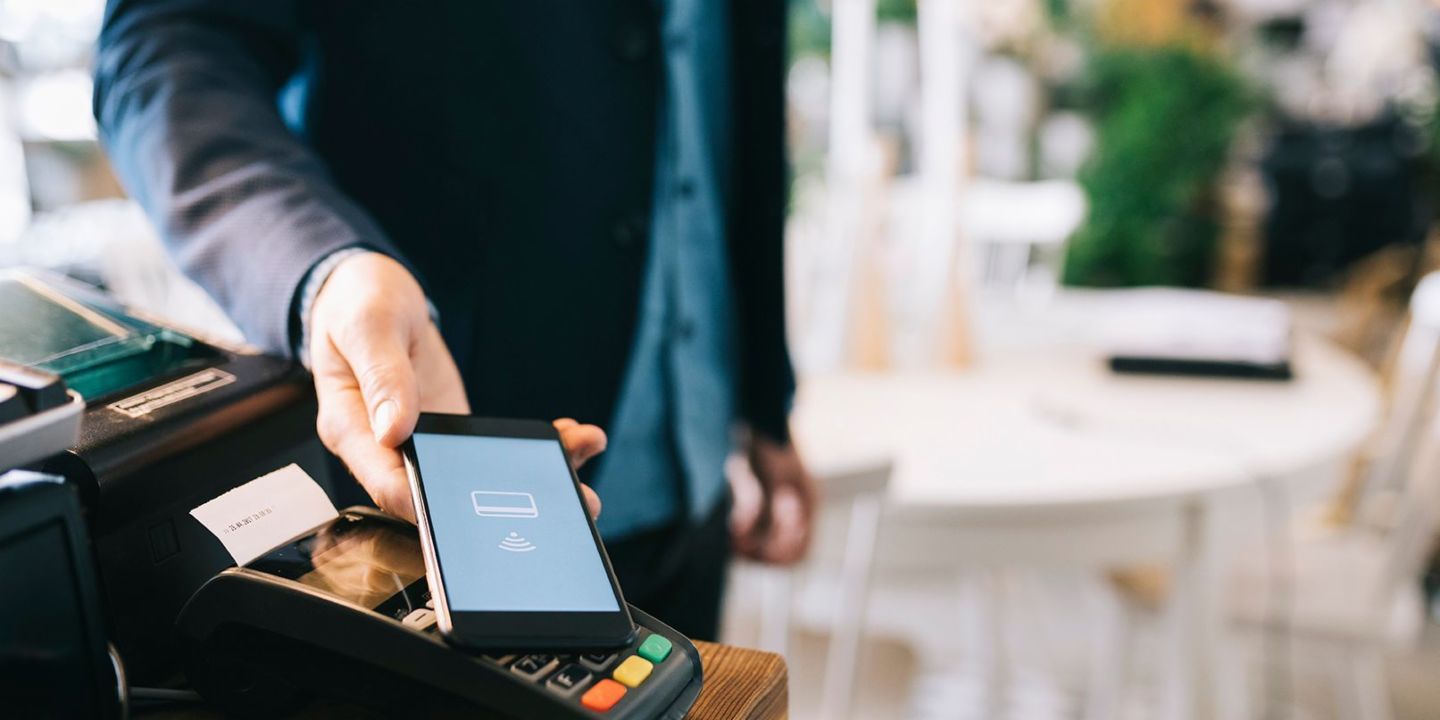
Digital payments have quietly become part of everyday life for millions of people around the world. Whether someone is shopping online, paying a monthly bill, or sending money to a friend, the process is now faster and more convenient than it was just a few years ago. The shift toward cashless transactions continues to grow because people value speed, security, and simplicity.
One reason digital payments have gained popularity is accessibility. Many users no longer need to visit a bank branch or carry large amounts of cash. A smartphone and an internet connection are often enough to complete a transaction within seconds. This convenience is especially useful for people with busy schedules who want to manage their finances without unnecessary delays.
Security is another important factor. Modern payment systems use various layers of protection to help keep transactions safe. Features such as account verification, encrypted data, and real-time notifications allow users to monitor their activity more closely. While no system is completely free from risk, these improvements have increased confidence among consumers who rely on digital payment methods every day.
Another advantage is transparency. Digital transactions usually leave a clear record that can be reviewed later. This makes it easier to track spending habits and manage personal budgets. Instead of sorting through paper receipts, users can often view their transaction history directly through an application or online platform.
In recent years, local payment solutions have also contributed to the growth of cashless ecosystems. In Indonesia, for example, many online services support QR based transactions that allow users to make payments quickly using their mobile devices. This has encouraged wider adoption among both businesses and consumers. As a result, terms such as slot qris have become increasingly visible in online discussions related to payment options and digital transaction methods.
The growing acceptance of digital payments has also created opportunities for small businesses. Entrepreneurs can reach customers more efficiently by offering convenient payment choices. Customers are more likely to complete a purchase when the payment process feels simple and familiar. For business owners, this can lead to improved customer satisfaction and stronger long-term relationships.
Technology continues to shape the future of payments. Contactless transactions, mobile wallets, and instant transfer systems are becoming more common in many regions. These innovations are designed to reduce friction and make financial interactions feel effortless. As digital infrastructure improves, users can expect even faster and more reliable services.
At the same time, financial education remains important. Understanding how payment systems work helps people make informed decisions and avoid common mistakes. Users should always verify transaction details, protect account credentials, and stay aware of potential scams. A combination of technology and responsible habits provides the strongest foundation for safe digital transactions.
The future of payments will likely focus on greater convenience without sacrificing security. Consumers want solutions that fit naturally into their daily routines, while businesses seek efficient ways to serve their customers. As these needs continue to evolve, digital payment systems will remain a central part of modern life.
By embracing reliable technology and maintaining good security practices, users can enjoy the benefits of a faster, more connected financial experience. The ongoing development of digital payment tools shows how innovation can simplify everyday tasks and create a smoother experience for everyone involved.