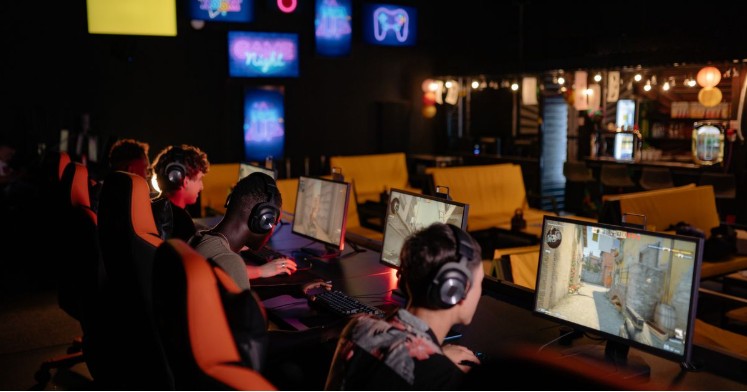
Why do so many people keep coming back to online gaming, even when they have plenty of other ways to spend their time? A big part of the answer is social connection. People are not only playing for scores, wins, or competition. They are also showing up for conversation, teamwork, and the simple comfort of sharing an experience with others.
Online gaming has shifted from a private hobby into a social routine for millions of people. Friends meet after work in a multiplayer match, families stay in touch through co-op play, and strangers become regular teammates over time. That social pulse keeps the activity active, familiar, and easy to return to.
The growth of online gaming makes more sense when you look at how people use it in daily life. It can be a place to relax, talk, learn group habits, and feel part of something larger than a single screen. The technology matters, but the human side is what gives it staying strength.
Why Connection Matters So Much
At its core, online gaming gives people a shared space to interact.
Shared Time Feels More Meaningful
People often value activities more when they can do them together. In online games, that shared time can be active and focused. Players talk, react, make plans, and laugh in real time. That creates memories in a way passive entertainment usually does not. The social layer turns a simple session into something that feels personal.
Friendship Grows Through Repetition
One reason online gaming keeps growing is that it fits naturally into regular routines. A person may log in every evening to meet the same group, much like joining a weekly club. Even practical habits around access, such as checking an account through AZTEC888 LOGIN, can become part of a familiar pattern tied to social expectations and shared plans.
How Communities Keep Players Involved
Communities give online gaming a sense of continuity.
Small Groups Create Belonging
Not every social bond in gaming comes from huge public spaces. Many of the strongest connections form in small teams, private chats, or recurring match groups. These smaller circles help people feel seen and included. When players know their participation matters to others, they are more likely to return and stay active.
Shared Culture Builds Identity
Online gaming communities often develop their own jokes, habits, and styles of communication. That shared culture can make people feel like insiders in a positive way. Over time, players start to identify with a group, not just with a single title or genre. That identity adds another reason to keep showing up.
How Competition And Cooperation Work Together
Social growth in gaming is not only about chatting. It is also about doing things together.
Teamwork Gives Players A Role
Cooperative play helps people feel useful. One player may focus on planning, another on timing, and another on support. These roles can build confidence and trust because everyone contributes in a visible way. That sense of contribution is a strong social driver, especially for players who enjoy group success more than individual attention.
Healthy Rivalry Adds Energy
Competition also has a social side. Friendly rivalry can push players to improve while still keeping the atmosphere fun. When people compare progress, share tactics, or talk about close matches, they build conversation around the activity. Even routine actions, like returning through PGBET888 LOGIN before joining others, can reflect how social timing shapes the habit of play.
Why Online Gaming Fits Modern Life
Its social appeal also comes from how easily it fits into busy schedules.
It Supports Short And Long Sessions
Some people have hours to play, while others only have twenty minutes. Online gaming works for both. A quick session can still include a meaningful chat or a few rounds with friends. That flexibility helps people stay connected without needing to plan a full evening around it.
Distance Becomes Less Important
Online play also helps people stay close across cities, time zones, and life changes. Friends who no longer live near each other can still meet regularly in a shared activity. That makes gaming more than entertainment. It becomes a practical social tool for maintaining relationships over time.
What The Future Likely Looks Like
The social side of online gaming will likely keep shaping its growth.
Players Want Spaces That Feel Human
People return to digital spaces that feel welcoming, active, and easy to understand. Features matter, but the real draw is often the feeling that other people are there, ready to interact. As long as online gaming keeps offering that sense of connection, it will remain appealing to a wide mix of players.
Growth Follows Social Habits
Online gaming grows when it becomes part of normal life. That happens through repeated social habits, not just through new releases or technical changes. When people build friendships, routines, and shared stories through play, the activity gains lasting momentum. The social pulse behind online gaming is simple: people like coming back to places where they feel connected.