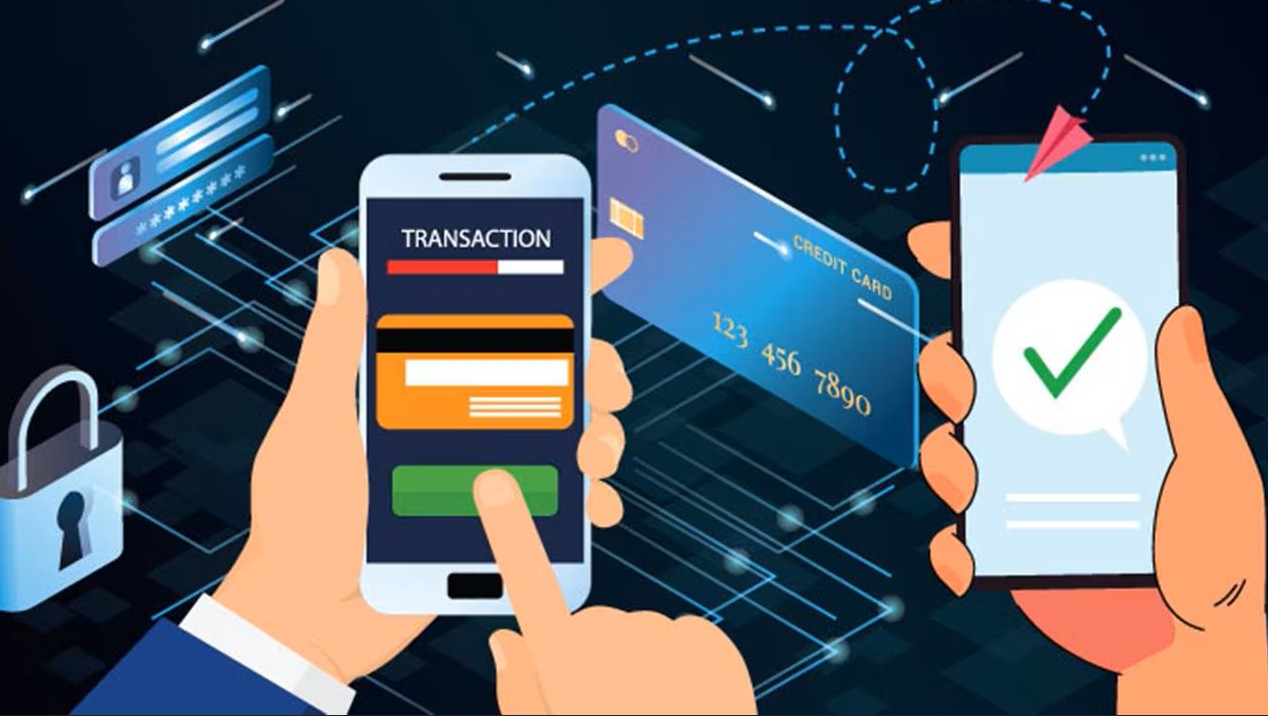
The digital landscape has undergone a massive transformation over the last decade. From the way we stream media and purchase video games to how we participate in online entertainment, the underlying technology driving these transactions has had to evolve rapidly. Traditional banking systems, once the bedrock of online commerce, are increasingly finding themselves supplemented—and in some cases, replaced—by more agile, secure, and user-friendly alternatives. Among these innovations, digital e-wallets have emerged as a dominant force, fundamentally altering how users interact with online platforms.
One of the most significant sectors impacted by this shift is the online gaming and leisure industry. Users today demand immediacy; they expect platforms to load instantly, games to run smoothly, and financial transactions to process in the blink of an eye. The integration of localized e-wallets has become a game-changer for international and regional platforms alike. For instance, in Southeast Asian markets, the rise of specialized payment channels has made it incredibly simple for enthusiasts to find a reliable Slot Dana platform, allowing them to engage with their favorite digital activities without the friction of traditional credit card forms or delayed bank transfers.
The Death of Friction in Modern Online Entertainment
To understand why e-wallets have become so popular, one must look at the concept of “friction” in user experience (UX). In the early days of the internet, making a payment online was a tedious chore. Users had to locate a physical card, manually type in long strings of digits, enter expiration dates, and wait for external verification codes. For modern users accustomed to one-click purchases, this old methodology is a relic of the past.
Digital wallets eliminate these barriers by storing encrypted user data securely, allowing for one-touch authorization. When applied to high-velocity industries like online gaming, this seamlessness is vital. Platforms that leverage integrated payment systems see much higher retention rates simply because the user journey is uninterrupted. When a player realizes they can securely access a Slot Deposit Dana method to manage their entertainment budget, they are far more likely to remain loyal to that platform than to one requiring a cumbersome bank wire.
Why Security and Privacy Drive the E-Wallet Boom
Beyond mere convenience, the shift toward digital wallets is heavily fueled by growing consumer awareness regarding cybersecurity. Data breaches are an unfortunate reality of the digital age. Every time a consumer enters their primary credit card or bank account details into a new website, they expose themselves to potential vulnerabilities.
E-wallets act as a robust buffer between the consumer’s primary finances and the third-party platforms they visit. By utilizing tokenization and multi-factor authentication (MFA), digital wallets ensure that the merchant never actually sees or stores the user’s sensitive banking credentials. If a platform suffers a data breach, the hacker only gains access to a localized transaction token, leaving the user’s primary bank account completely untouched. This layer of privacy is invaluable for individuals who enjoy online entertainment but want to keep their digital footprints secure and discrete.
Accessibility and Financial Inclusion
Another fascinating aspect of the e-wallet revolution is financial inclusion. In many developing regions, a vast portion of the adult population remains “unbanked” or “underbanked”—meaning they lack access to traditional credit cards or formal banking institutions. However, smartphone penetration in these exact same regions is often near-universal.
Digital payment applications bridge this gap brilliantly. By allowing users to top up their digital wallets via local convenience stores, digital kiosks, or mobile peer-to-peer transfers, these apps grant millions of people access to the global digital economy. Online entertainment platforms have been quick to recognize this. By adopting local e-wallet standards, they open their doors to an entirely new demographic of tech-savvy consumers who prefer managing their cash digitally rather than through a traditional bank teller.
Key Advantages of E-Wallet Integration for Consumers
To summarize why this payment methodology has captured the global market, consider the following structural benefits:
- Instant Processing: Deposits and withdrawals happen in near real-time, removing the agonizing multi-day waiting periods associated with legacy banking.
- Minimal Transaction Fees: Digital wallets often operate on highly efficient networks, drastically reducing the overhead fees passed down to the consumer.
- Budget Management: Because users must manually transfer funds into their e-wallet, it serves as an excellent natural boundary for managing disposable entertainment budgets.
- Mobile Optimization: Designed from the ground up for smartphones, these applications offer a superior user experience compared to clunky desktop-era banking portals.
The Future of Seamless Digital Transactions
As we look toward the future, the integration of financial technology (FinTech) and digital entertainment will only grow tighter. We are already seeing the early stages of biometric authentication, where a simple facial scan or fingerprint touch can authorize an entertainment microtransaction securely.
Furthermore, the data generated by these seamless transaction methods allows platforms to better understand user preferences. Instead of forcing a one-size-fits-all approach, online ecosystems can tailor their offerings, bonuses, and user interfaces to match the specific habits of their audience. The popularity of localized payment infrastructure proves that convenience, speed, and security are the ultimate pillars of modern digital commerce.
Ultimately, the platforms that survive and thrive in this highly competitive digital era are those that prioritize the user’s peace of mind and time. By removing the obstacles between a user and their leisure activities, modern e-wallet solutions have set a new benchmark for what digital convenience truly means.