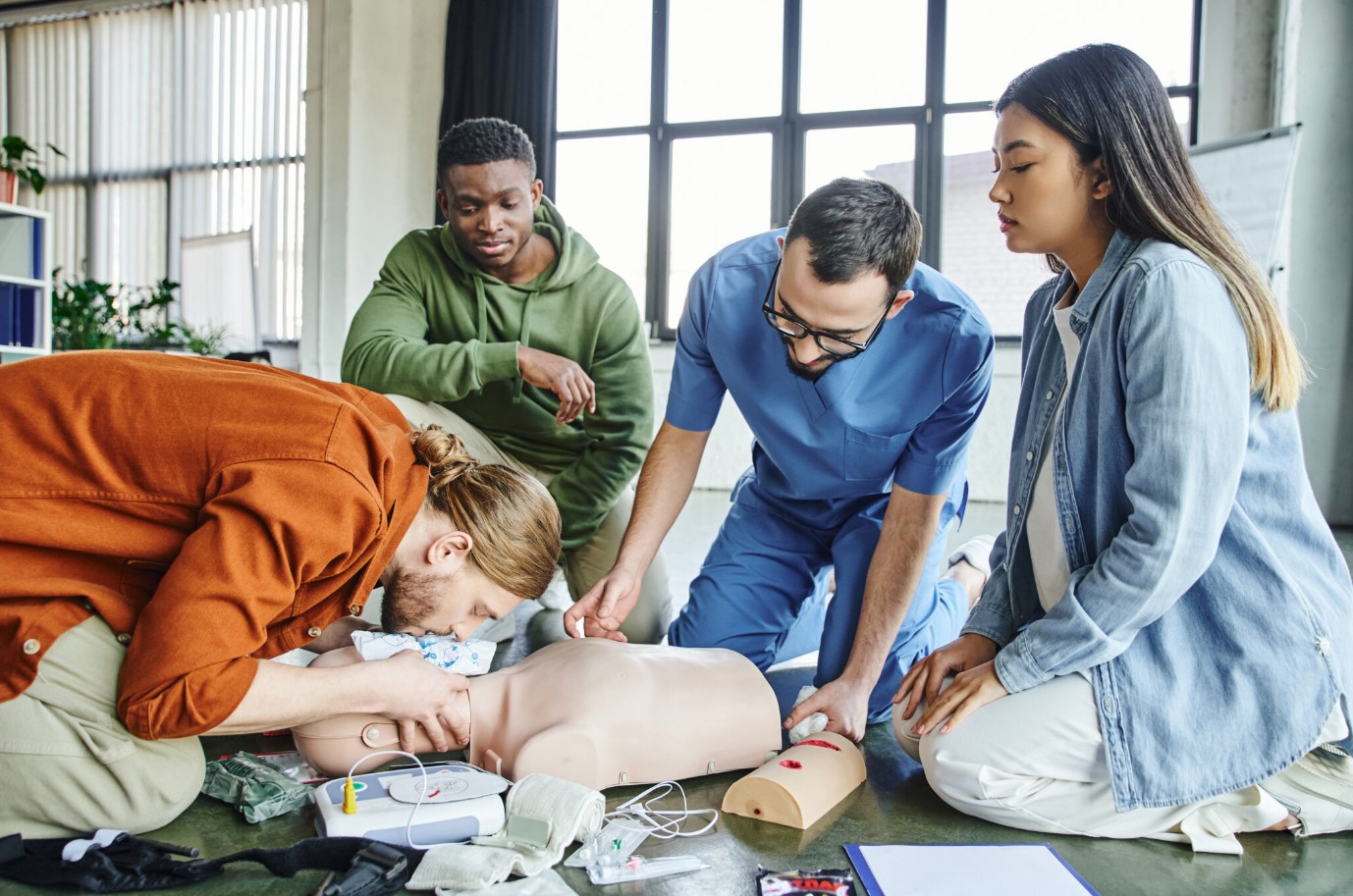
Finding a reputable CPR and first aid course provider is crucial for anyone looking to gain essential life-saving skills. Whether you’re a healthcare professional, a teacher, or simply a concerned citizen, knowing how to properly administer CPR and first aid can make a significant difference in emergency situations. With numerous providers offering courses, it can be challenging to determine which one will provide the most comprehensive and reliable training. This article will guide you through the key factors to consider when selecting a course provider, ensuring you receive quality education and practical experience.
Key Factors to Consider
Accreditation and Certification
When searching for a CPR and first aid course provider, one of the most important factors to consider is accreditation. Accredited providers have met specific standards set by recognized organizations, ensuring that the training you receive is up-to-date and comprehensive. Certification from an accredited provider is often required by employers and can be a critical component of your professional qualifications. Look for providers that are affiliated with well-known organizations such as the American Heart Association or the Red Cross. These affiliations are a good indicator that the course content is aligned with current guidelines and best practices. Additionally, ensure that the certification you receive upon completion is widely recognized and accepted in your field or area of interest.
Course Content and Structure
The content and structure of the course are also vital considerations. A reputable provider will offer a curriculum that covers a wide range of topics, including CPR techniques, first aid procedures, and the use of automated external defibrillators (AEDs). The course should provide both theoretical knowledge and practical skills, allowing you to practice techniques in a controlled environment. It’s important to verify that the course includes hands-on training, as this is essential for building confidence and competence in real-life situations. Furthermore, inquire about the duration of the course and the student-to-instructor ratio, as these factors can impact the quality of the training experience. A well-structured course will balance classroom instruction with practical exercises, ensuring a comprehensive learning experience.
Instructor Qualifications
The qualifications and experience of the instructors are crucial to the quality of the training you will receive. Instructors should have a strong background in emergency medical services or healthcare, with relevant certifications and teaching experience. They should be able to effectively communicate complex concepts and demonstrate techniques clearly. When evaluating potential course providers, inquire about the instructors’ credentials and teaching experience. A knowledgeable and experienced instructor can provide valuable insights and guidance, enhancing your learning experience. Additionally, consider seeking feedback from past participants to gain insight into the instructors’ teaching styles and effectiveness.
Location and Accessibility
The location and accessibility of the course provider are practical considerations that can influence your decision. Ideally, the training facility should be conveniently located and easily accessible by public transportation or major roadways. This is particularly important if you have a busy schedule or limited transportation options. Additionally, consider the availability of parking and any associated costs. Some providers may offer online or hybrid courses, which can be a flexible option if you are unable to attend in-person sessions. However, ensure that any online components still include opportunities for hands-on practice, as this is a critical aspect of CPR and first aid training.
Cost and Value
While cost should not be the sole determining factor, it is an important consideration when selecting a course provider. Compare the fees of different providers and evaluate what is included in the cost. Some providers may offer additional resources, such as textbooks or online materials, as part of the course fee. It’s important to assess the overall value of the course, considering factors such as the quality of instruction, course content, and certification. Remember that investing in a reputable course can provide long-term benefits, equipping you with the skills and confidence to respond effectively in emergency situations. For those in Edmonton, finding first aid training Edmonton that offers a balance of quality and affordability is essential.
Reputation and Reviews
The reputation of a course provider can provide valuable insight into the quality of training you can expect to receive. Research the provider’s history and track record, looking for any awards or recognitions they may have received. Online reviews and testimonials from past participants can also be helpful in assessing the provider’s reputation. Pay attention to feedback regarding the course content, instructor effectiveness, and overall training experience. While individual experiences may vary, consistent positive feedback can be a strong indicator of a reputable provider. Additionally, consider reaching out to colleagues or industry professionals for recommendations, as they may have firsthand experience with reputable providers.
Conclusion
Selecting a reputable CPR and first aid course provider is a critical step in gaining the skills necessary to respond effectively in emergency situations. By considering factors such as accreditation, course content, instructor qualifications, location, cost, and reputation, you can make an informed decision that meets your needs and expectations. Investing in quality training not only enhances your ability to save lives but also provides peace of mind knowing you are prepared to handle emergencies with confidence. Take the time to research and evaluate potential providers, ensuring you choose one that offers comprehensive and reliable training.