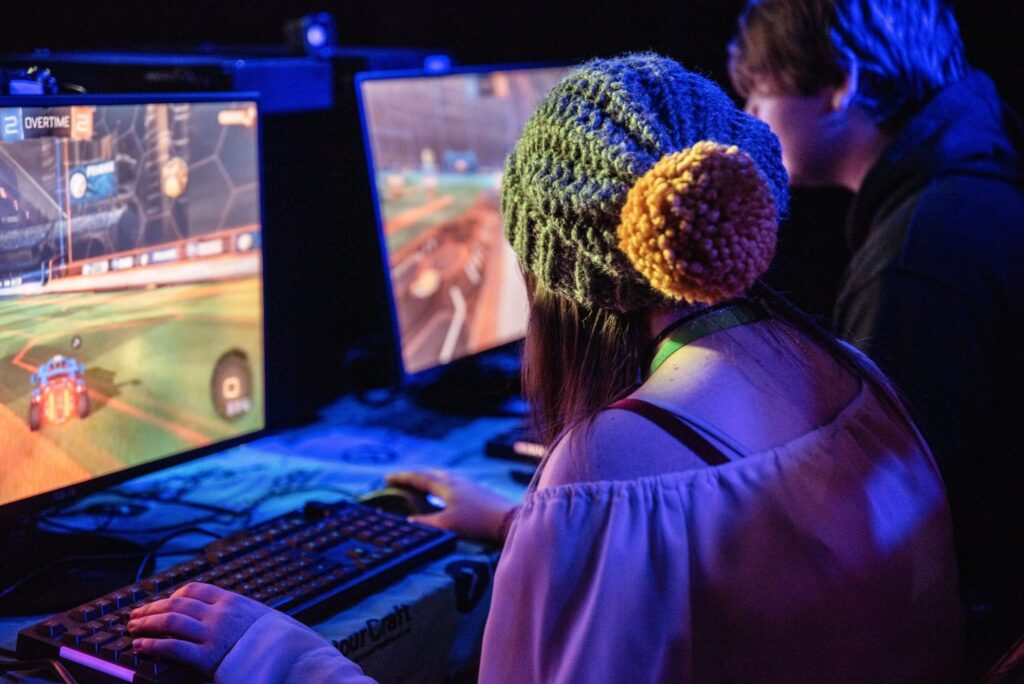
Creating a successful hoki123.net team requires more than just recruiting a few talented players. It takes strategic planning, careful management, and a focus on team dynamics. Whether you’re starting a team from scratch or looking to improve an existing one, building a competitive esports team is an exciting challenge. In this guide, we’ll explore the key elements to consider when assembling a high-performing squad, from recruitment to team chemistry.
1. Define Your Goals
Before diving into the process of building a competitive esports team, it’s crucial to have a clear vision of what you aim to achieve. Are you aiming for local tournaments, regional competitions, or global championships? Defining your goals will help you determine the type of players you need and the level of commitment required.
Why It Wins:
- Provides a clear direction for recruitment and training.
- Helps assess the level of dedication required from players.
- Allows for better strategic planning for future competitions.
2. Focus on Role Diversity
A balanced team is one that has players who excel in various roles. Just like traditional sports, esports requires different positions that contribute to the overall strategy. It’s important to have players who specialize in key roles such as:
- Carry/Fraggers: The players who deal the most damage and secure the most eliminations (often in games like CS:GO or Overwatch).
- Support: These players assist their teammates, providing healing or buffs, and often play a strategic role (common in games like League of Legends).
- Tactical/Strategist: The mastermind behind the team’s game plan, ensuring the team’s decisions are well-coordinated.
By filling each role with a skilled player, you ensure that all aspects of gameplay are covered, and your team is prepared for different challenges.
Why It Wins:
- Ensures a well-rounded team with complementary strengths.
- Improves the team’s ability to adapt to different situations.
- Helps foster strategic depth and versatility.
3. Seek Out Chemistry
While individual skills are essential, team chemistry is what often separates good teams from great ones. Players must work well together, communicate effectively, and support one another during matches. A team that gels both in-game and out-of-game will outperform one that has top-tier players but lacks camaraderie.
During the recruitment process, consider how well candidates interact with one another during practice sessions or team-building activities. Look for players who are open to feedback, collaborative, and positive under pressure.
Why It Wins:
- Enhances communication and teamwork during gameplay.
- Builds trust and reduces internal conflicts.
- Leads to a more enjoyable and cohesive team environment.
4. Scout for Talent
Finding the right players to join your team is critical. While esports require specific in-game skills, soft skills like adaptability, communication, and problem-solving are just as important. When scouting for talent, you should look for players who:
- Have strong mechanics: A deep understanding of the game and the ability to perform well under pressure.
- Are consistent: Top-tier players need to perform consistently, even in high-stakes situations.
- Display potential for growth: Look for players who show promise and a willingness to improve.
Start by looking at local and online leaderboards, watching gameplay videos, and participating in online tournaments. You can also attend esports events or collaborate with gaming communities to find potential players.
Why It Wins:
- Identifying skilled and adaptable players ensures team success.
- Allows for future growth by investing in potential rather than just current performance.
- Ensures your team remains competitive in the long run.
5. Prioritize Effective Communication
Clear communication is at the heart of every successful esports team. Whether you’re strategizing during the match or reacting to an opponent’s play, being able to communicate quickly and effectively can make or break your chances of winning. Players should be able to convey information concisely and make decisions on the fly.
Invest in tools that facilitate communication, like voice chat platforms (e.g., Discord), and encourage your players to communicate often, even during practice. Consider implementing a system for calls, such as in-game commands or verbal cues, so the team can execute strategies seamlessly during critical moments.
Why It Wins:
- Ensures quick decision-making during high-pressure moments.
- Reduces the likelihood of misunderstandings and errors.
- Enhances team coordination and execution of strategies.
6. Consistent Practice
Talent and chemistry can only take you so far—consistent practice is the key to improving and maintaining competitive performance. Establish a rigorous practice schedule that includes regular scrims (practice matches against other teams), strategy meetings, and individual training.
During practice, focus not only on refining individual mechanics but also on team coordination. Analyze past games to understand mistakes, learn from them, and adjust strategies accordingly. A dedicated training regimen will help your team stay sharp and ready for any challenge that comes their way.
Why It Wins:
- Builds skills and keeps players competitive.
- Helps the team adjust to changing meta or game dynamics.
- Strengthens team communication and coordination.
7. Embrace Analytics and Data
In modern esports, data and analytics have become crucial for identifying strengths, weaknesses, and areas for improvement. Many teams use analytics to break down gameplay, review team performance, and track individual player stats. You can utilize tools like Mobalytics or Overwolf to gain insights into game metrics such as accuracy, kill-death ratios, and strategic execution.
Using this data, your team can make informed decisions about how to optimize strategies, identify trends, and gain an edge over the competition.
Why It Wins:
- Provides objective insights into team performance.
- Helps fine-tune strategies and individual skills.
- Gives a competitive advantage in high-stakes competitions.
8. Foster a Positive Team Culture
Building a competitive slot depo 1000 team requires more than just skill and strategy; you also need to foster a positive team culture. A supportive environment where players encourage each other, celebrate victories, and learn from losses is essential for long-term success. Team culture includes the values, behavior, and attitudes that guide how players interact and represent the team.
As a coach or manager, lead by example. Encourage constructive feedback, maintain a focus on personal growth, and address any issues as soon as they arise. A positive atmosphere boosts morale and keeps players motivated, even when facing tough challenges.
Why It Wins:
- Enhances player motivation and resilience.
- Encourages positive behaviors and growth.
- Leads to a stronger, more united team.
9. Get the Right Equipment
While skill and teamwork are paramount, having the right equipment can also make a big difference in esports performance. Ensure that your players have high-quality gaming gear, including gaming mice, keyboards, headsets, and monitors. Additionally, providing access to a stable internet connection is essential for smooth gameplay, especially in fast-paced online tournaments.
Investing in proper equipment not only ensures optimal performance but also shows your players that you’re serious about their success.
Why It Wins:
- Optimizes player performance by providing the best tools.
- Ensures smooth gameplay, especially in high-pressure situations.
- Boosts morale, showing players they have the resources they need to succeed.
10. Stay Adaptable
Esports is constantly evolving, with game patches, meta shifts, and new strategies being introduced regularly. To stay competitive, your team must be adaptable. Encourage a mindset of continuous learning, where players are open to experimenting with new strategies, roles, and tactics. Regularly review game updates, watch professional tournaments, and learn from other teams to stay ahead of the curve.
Why It Wins:
- Helps your team stay competitive as games evolve.
- Promotes a growth mindset, fostering continual improvement.
- Keeps the team prepared for any surprises or changes in gameplay.
Conclusion: Building a Winning Team
Creating a competitive esports team takes more than just finding the best players—it’s about building a cohesive unit that works well together, communicates effectively, and is committed to improvement. By focusing on clear goals, diverse roles, effective communication, and consistent practice, you can set the foundation for a successful team.
With the right strategies in place, your esports team can rise to the top and make a lasting impact in the competitive gaming world. So start building, and get ready to dominate the next big tournament!