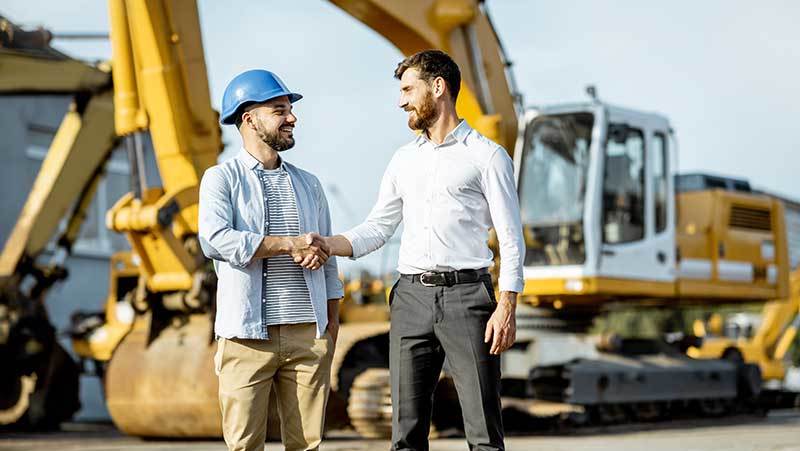
Every successful construction company eventually reaches a point where long-term development requires investing in superior equipment. Productivity, profitability, and customer happiness are all strongly impacted by the quality and dependability of a company’s equipment, regardless of whether it concentrates on infrastructure construction, commercial projects, or residential developments. Businesses should see equipment acquisitions as strategic investments that improve their capacity to compete in a changing sector rather than as straightforward costs.
Selecting the appropriate equipment now may open doors for bigger projects, increased productivity, and long-term development.
Concentrate On Long-Term Business Objectives
Purchasing equipment should be in line with the company’s long-term goals rather than only fulfilling the demands of the present project. Companies that want to grow into bigger contracts should look at equipment with more capacity, adaptability, and cutting-edge technology.
Recurring purchases that raise operating expenses may be avoided by taking future workloads into account. A well-considered investment plan guarantees that equipment will continue to be useful as the company expands and project requirements become more intricate.
Select Dependable Equipment With A Track Record Of Success
In order to maximize productivity, reliability is crucial. Frequently malfunctioning equipment impacts consumer trust, raises maintenance costs, and delays projects.
Businesses may get reliable gear supported by manufacturer support, expert advice, and authentic replacement parts by working with a reputable construction equipment supplier. Reliable equipment minimizes unplanned disruptions while maintaining project progress.
Give Versatile Machinery Priority
Multitasking equipment is often used for modern building projects. Purchasing several specialized units may be avoided by investing in multipurpose equipment with interchangeable accessories.
For instance, excavation, material handling, grading, and site preparation may be handled by telehandlers, compact loaders, and excavators with a variety of attachments. This adaptability enables businesses to improve equipment use while responding to various project needs.
Take Total Ownership Expenses Into Account
Only a portion of the investment is represented by the purchasing price. Before selecting a choice, businesses should carefully consider the overall cost of ownership.
Among the crucial elements are:
- Efficiency of fuel
- Requirements for scheduled maintenance
- Availability of replacement components
- Lifespan of equipment
- Costs associated with insurance
- Needs for operator training
- Anticipated resale value
Companies may make financially prudent investments that provide higher returns over time by looking beyond the initial pricing.
Invest In Efficiency-Boosting Technology
Technologies aimed at enhancing precision, safety, and operational effectiveness are constantly being added to construction equipment.
Features that provide useful information about machine performance include GPS navigation, telematics, remote diagnostics, automated controls, and fuel monitoring systems. Fleet managers may plan preventative maintenance, keep an eye on equipment use, and cut down on needless downtime.
These developments increase overall profitability while assisting companies in finishing projects more quickly.
Encourage Operator Productivity And Safety
Both companies and machine workers gain from well-designed equipment. Operator fatigue is decreased, and everyday performance is enhanced with comfortable cabins, simple controls, enhanced visibility, and cutting-edge safety measures.
Job sites are made safer by safety devices including stability control, rollover protection, backup cameras, and proximity alarms. Reduced liability concerns and less interference with current projects result from fewer accidents.
In a competitive labor market, organizations may recruit and keep qualified workers by investing in operator-friendly equipment.
Develop Robust Connections With Reliable Dealers
Purchasing equipment should not be seen as a one-time event but rather as the start of a long-term collaboration.
Throughout the equipment’s life cycle, professional dealers provide invaluable support in the form of maintenance plans, technical support, replacement parts, warranty services, and professional advice. Working with seasoned experts who comprehend shifting market demands and can suggest remedies when operational needs change is advantageous for businesses.
The value of dependable dealer assistance often surpasses that of the device itself.
Make A Plan To Grow Your Business
Equipment needs inevitably evolve as construction organizations expand. Companies may grow into bigger developments, new service areas, or government infrastructure projects that require more sophisticated equipment.
Investing in equipment with scalability in mind lowers replacement costs in the future and enables businesses to swiftly seize new possibilities. When bidding on bigger contracts, choosing computers capable of handling growing workloads gives you more choice.
Additionally, by standardizing equipment throughout their fleet, firms may streamline inventory management, operator training, and maintenance.
In Conclusion
One of the most crucial choices a construction company can make is to purchase construction equipment. The proper equipment lowers operating costs, increases safety, boosts production, and opens doors for future growth. Businesses set themselves up for long-term success by emphasizing technology, dependability, adaptability, total ownership costs, and continuous maintenance. Today’s equipment investment creates a solid foundation for tomorrow’s company success thanks to careful planning and well-informed purchase selections.