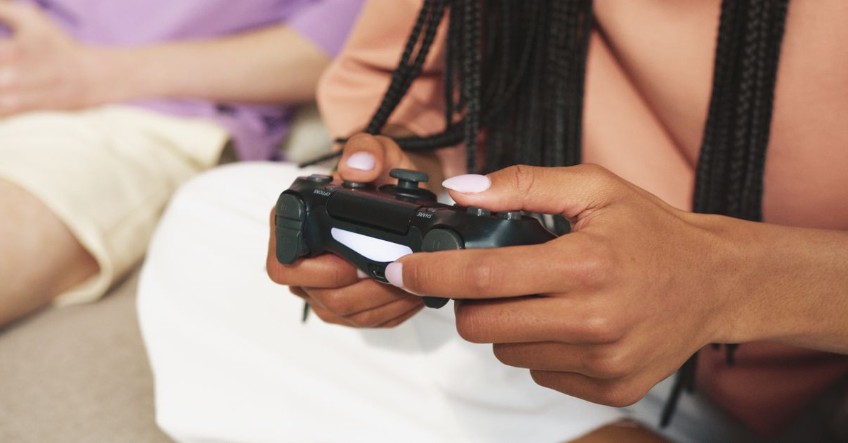
Have you noticed how online gaming keeps finding new ways to pull you in and keep things fresh? What used to be a simple way to pass time has turned into a fast-moving form of interactive fun that blends play, connection, creativity, and quick feedback in ways older formats never could.
That shift matters because games are no longer just about beating levels alone. Online play has changed what people expect from entertainment. They want instant access, shared experiences, live updates, and more control over how they play and with whom.
As a result, online gaming is shaping the future of fun by making entertainment more social, more flexible, and more responsive to the people using it. It reflects a bigger change in how digital experiences are built, updated, and enjoyed every day.
How Constant Connection Changes Play
Online access turns gaming into something that feels active and current instead of fixed.
In the past, a game often stayed the same after release. Online gaming changed that by allowing modes, maps, events, and balance updates to shift over time. That means players come back to something that can feel slightly different each week, which keeps interaction lively without changing the basic appeal.
It also makes play more immediate. A person can join a match, team up with friends, or test skills against strangers in minutes. That speed fits modern habits, where people often want entertainment that starts quickly and responds right away. Even websites like gol88.com reflect how familiar people have become with interactive digital spaces that are always available and ready for input.
Real-Time Feedback Keeps People Interested
One reason online gaming feels so compelling is the fast response loop. Players make a choice, see the result, adjust, and try again. That pattern keeps attention high because actions feel meaningful right away. Instead of sitting back and watching, people are part of the pace and outcome.
Updates Create A Living Experience
Frequent updates also help games stay relevant longer. New content, seasonal events, and small fixes can refresh interest without forcing people to start from scratch. That gives online gaming a flexible quality that older one-and-done entertainment often lacks.
Why Social Interaction Is A Big Part Of The Appeal
Online gaming works so well because it often feels like a shared activity instead of a solo habit.
Games now function as social spaces where people chat, cooperate, compete, and build routines together. Friends can stay connected across distance, and new players can find groups based on play style or common interests. That social layer adds value beyond the game itself because the experience becomes tied to people, not just mechanics.
Cooperation Builds Stronger Experiences
Working toward a shared goal changes the mood of play. Coordinating with others, solving problems together, and reacting in real time creates memorable moments that feel personal. Even a short session can become meaningful when teamwork is involved.
Competition Feels More Human Online
Playing against real people also adds variety that computer-controlled opponents often cannot match. Human behavior is less predictable, which makes each session feel fresh. That unpredictability is a major reason online gaming continues to hold attention over long periods.
How Personal Choice Shapes Modern Fun
One of the biggest shifts is how much control players now have over their own experience.
Online games often let people choose how they want to participate. Some prefer quick matches, while others like long-form strategy, creative building, or casual social play. That range helps gaming appeal to different ages, schedules, and personalities without forcing everyone into the same pattern.
People also expect entertainment to meet them where they are. A short session during a break and a longer session at night can both fit naturally into online play. In that sense, platforms such as togel123.com point to a wider habit: users now expect digital interaction to be immediate, flexible, and easy to return to whenever they have time.
Players Help Shape The Experience
Another key change is that player feedback can influence future updates. Communities talk about what works, what feels fair, and what needs improvement. Developers can respond over time, which makes online gaming feel more connected to the people actually using it.
What Online Gaming Suggests About The Future
The bigger lesson is that people want entertainment that reacts, connects, and keeps moving.
Online gaming has shown that interactive fun works best when it is flexible, social, and easy to access. It has raised expectations for other digital entertainment too. People now look for experiences that offer participation instead of passive viewing and that reward regular involvement with new activity.
Interactive Media Will Keep Borrowing From Games
Features once tied mostly to gaming are now influencing other types of media, from live events to educational tools. Real-time participation, community features, and ongoing updates are becoming normal because users like feeling included rather than spoken at.
Fun Is Becoming More Active
The future of entertainment looks less like sitting back and more like taking part. Online gaming is helping shape that future by proving that people enjoy experiences they can influence, share, and return to often. That is why it continues to play such a big role in where interactive fun is headed next.