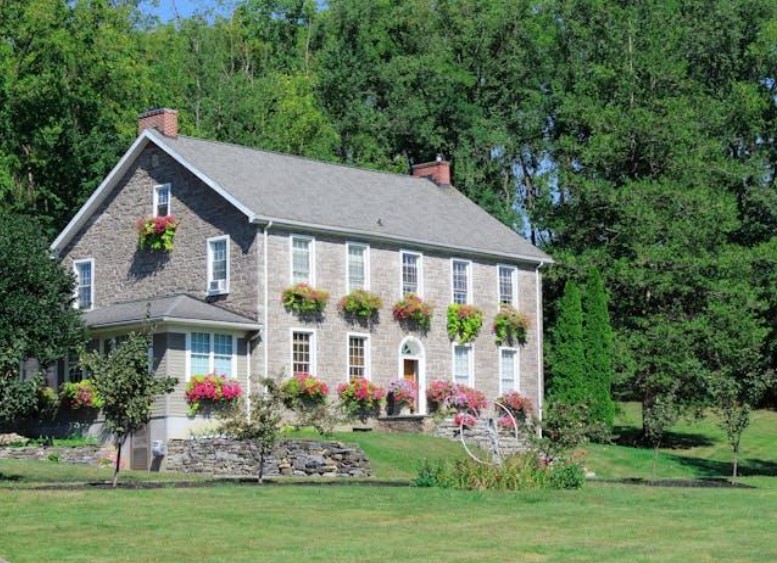
Here’s something most homeowners don’t think about: your roof and your garden aren’t separate elements; they’re design partners. When these two aspects of your property work together harmoniously, something remarkable happens. The entire landscape feels more intentional, more balanced, and more complete. Instead of a collection of individual features, the home and its surroundings form a cohesive visual story.
This relationship is about more than aesthetics. Roofing choices influence sunlight patterns, shade, water flow, and microclimates—factors that directly affect plant health and garden usability. At the same time, thoughtful landscaping can soften rooflines, highlight architectural features, and visually anchor the structure to its environment. Homeowners who recognize this interplay often discover that relatively small roofing decisions can have a dramatic impact on how their outdoor spaces feel and function. When roof and garden are designed with awareness of one another, both elements are elevated far beyond what either could achieve on its own.
1. Color Coordination with Natural Landscapes
Color is one of the most powerful connections between roofing and garden design. Think about the dominant tones in your landscape across the seasons, not just in spring bloom but throughout the entire year. Earth‑tone roofing materials—terracotta, slate gray, warm browns, and deep forest greens—naturally mirror soil, stone, bark, and foliage. These hues allow the roof to blend seamlessly with the natural environment rather than overpower it.
Seasonal change is an important consideration here. A roof that complements lush summer greenery should still feel at home against autumn foliage, winter branches, or evergreen backdrops. Neutral, nature‑inspired colors perform well year‑round, anchoring the home even as plants shift and mature. The result is a visual continuity that makes the entire property feel grounded and thoughtfully composed rather than disjointed.
2. Incorporating Green Roof Systems
Green roofs take the partnership between roofing and landscaping to its most literal expression by transforming the roof into a living surface. These systems consist of multiple layers, including waterproofing, drainage, growing medium, and vegetation, which are designed to support plant life above the structure. Visually, green roofs blur the line between architecture and landscape, especially in urban or compact residential settings.
Beyond appearance, green roofs offer significant functional benefits. They act as natural insulation, helping regulate indoor temperatures and reduce energy demands. They slow and absorb rainwater, easing runoff and reducing strain on drainage systems. They also improve air quality and create micro‑habitats for pollinators and birds. Extensive green roofs, which use shallow soil and hardy plants like sedums, work well for low‑maintenance installations, while intensive systems allow for deeper plantings, including shrubs and small trees, creating fully usable roof gardens where structural design allows.
3. Strategic Overhang Design for Plant Protection
Roof overhangs quietly shape how gardens thrive, often without homeowners realizing the extent of their influence. Properly designed eaves create sheltered zones around a home where certain plants flourish. These overhangs form microclimates that protect sensitive plantings from harsh sun, heavy rainfall, or strong winds.
Extended overhangs are particularly beneficial near foundations, where they help prevent soil erosion and root saturation. Shade‑loving plants such as hostas, ferns, and woodland perennials often perform best in these protected spaces. At the same time, overhangs shield siding and foundations from moisture, improving long‑term durability while supporting healthier planting zones. This blend of practical architecture and garden planning adds resilience to both the home and the landscape.
4. Rain Harvesting Systems Integrated into Landscape Design
Roofing plays a critical role in how water moves across a property. With integrated rain harvesting systems, every rainfall becomes a resource rather than a challenge. Modern roofing designs channel water efficiently into gutters and downspouts that feed rain barrels, cisterns, or rain gardens designed to filter and absorb runoff naturally.
These systems can be both functional and decorative. Rain chains replace traditional downspouts with sculptural elements that guide water downward in visually engaging ways. Strategically placed rain gardens capture and disperse stormwater while supporting native plants that tolerate periodic saturation. In addition to lowering water bills, harvested rainwater is free from the chemical treatments often found in municipal supplies, making it particularly appealing for sensitive plantings and vegetable gardens.
5. Roofline Styles That Frame Garden Views
The shape of your roof influences how both residents and visitors experience the garden. Rooflines frame sightlines, create rhythm, and establish visual hierarchy throughout the landscape. Gable roofs, with their triangular profiles, naturally draw the eye outward and can frame garden vistas when aligned with windows or patios.
Hip roofs provide a quieter visual presence, sloping gently on all sides and allowing landscaping to take center stage. Flat or low‑slope roofs complement modern gardens by reinforcing horizontal lines, pairing well with geometric plantings and clean hardscape elements. Multi‑level rooflines add depth and shadow, creating dynamic visual patterns throughout the day as light shifts across the garden.
When planning comprehensive property updates that coordinate roofing and landscaping elements, homeowners may look to region-specific services, such as Austin roofing replacement projects, to see how professionals address climate demands while achieving harmony between structure and landscape. Evaluating how roof angles, heights, and transitions interact with garden layouts helps ensure architecture and nature feel intentionally connected rather than in competition.
6. Material Selection That Echoes Natural Elements
Roofing materials themselves carry texture, pattern, and character that can reinforce garden themes. Natural slate, with its layered surfaces and color variation, pairs beautifully with stone pathways, rock gardens, and rustic planting schemes. Wood shake or shingle roofs echo organic textures found in trees and timber structures, weathering gracefully over time and blending into natural surroundings.
Metal roofing in finishes like bronze, copper, or weathered zinc aligns well with contemporary landscapes that incorporate metal planters, sculptural elements, or modern hardscaping. Over time, patinas and surface changes add depth, allowing the roof to mature alongside the garden rather than remain visually static.
7. Solar Integration Supporting Garden Sustainability
Solar integration extends the relationship between roof and garden into the realm of sustainability. Modern solar roofing systems integrate photovoltaic technology directly into roofing materials, reducing visual disruption while generating clean energy. The electricity produced can support landscape lighting, irrigation systems, water features, and other garden enhancements.
Solar‑powered irrigation controllers enable precise watering schedules that adapt to weather conditions, improving plant health while conserving water. By combining efficient roofing materials with renewable energy, homeowners create feedback loops where the roof actively supports the long‑term vitality of the garden.
Conclusion
When your roof and garden work together, something beautiful happens; your entire property feels intentionally designed from the ground up. The strategies explored—color coordination, green roofing systems, strategic overhangs, rainwater harvesting, thoughtful roofline profiles, material selection, and solar integration— work together to create landscapes that are both beautiful and functional. These choices extend beyond aesthetics, offering improved sustainability, greater durability, and enhanced use of outdoor space.
Whether building new or updating an existing home, approaching roofing decisions with the landscape in mind results in properties where every element supports the whole. When architecture and nature speak the same design language, the outcome is not just a well‑designed home, but a living environment shaped with intention from the ground up.