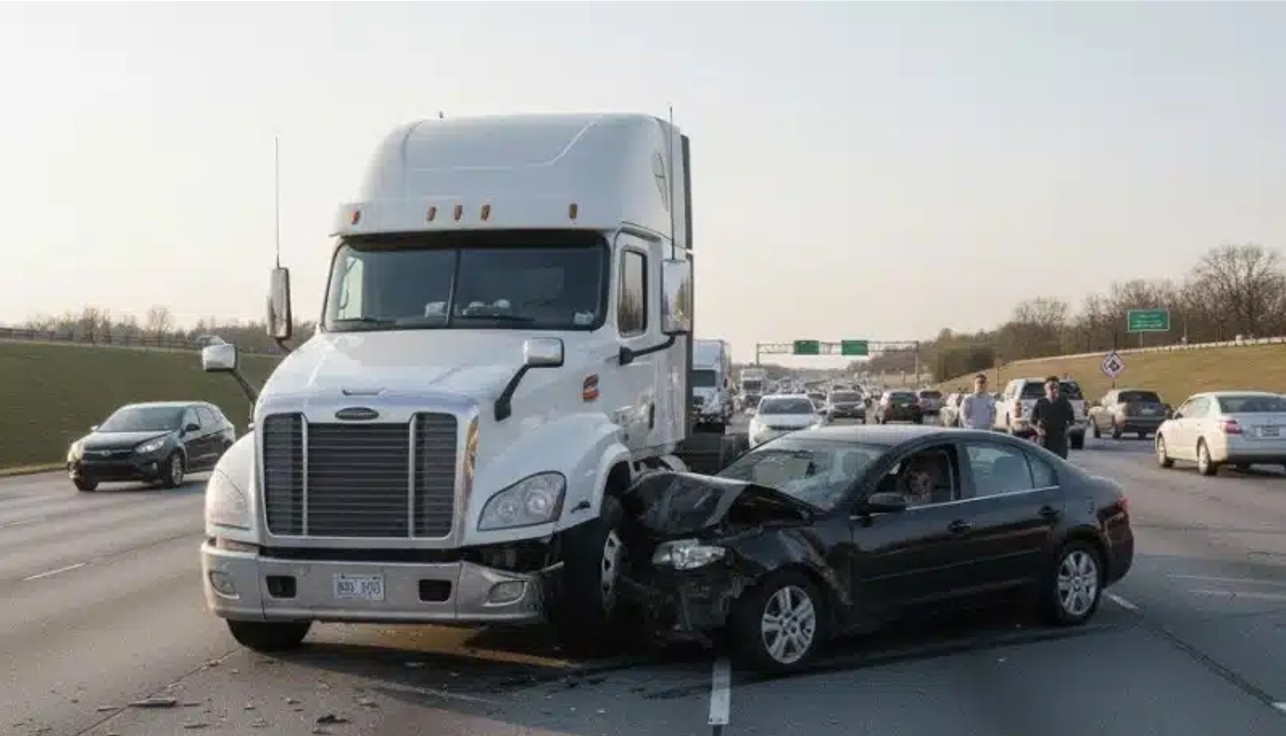
A lane change looks simple until a loaded truck moves without enough space. One quick drift. One missed blind spot. Then metal folds, glass breaks, and traffic stops cold. In Houston, that kind of crash happens more than many drivers expect because highways stay crowded most of the day. A truck takes more room than a car. It also needs more time to react. When a driver shifts lanes too fast, the damage can spread across several lanes in seconds. That is where a skilled Houston personal injury lawyer matters. A firm like Schechter, Shaffer & Harris, LLP – Accident & Injury Attorneys often handles claims tied to unsafe lane changes because fault is rarely as simple as it first looks.
When a Lane Change Turns Bad Fast
A truck driver may signal and still move too soon. That happens because signals do not clear blind spots. Large trucks have wide no-see zones beside the cab and near the trailer. If the driver does not check mirrors well, a smaller car can vanish from sight. Sometimes the truck drifts because the driver is tired. Sometimes traffic pressure plays a part. A late delivery can push bad choices. Think about morning traffic on Interstate 45. Cars bunch up, drivers squeeze gaps, and one truck may need to shift left quickly. That split-second move can force a car into a barrier or another lane. And yes, one unsafe lane move can trigger a chain crash.
Why These Cases Hurt More Than People Expect
A truck carries force that a passenger car cannot match. Even a side hit can spin a smaller vehicle hard. Neck pain may start later. Back pain may wait a day or two. Some people walk away, then wake up sore and dizzy. That delay causes trouble because insurers often ask, “Were you really hurt?” Here’s the thing: pain often shows up after the shock fades.
Common injuries include:
- Neck strain
- Shoulder damage
- Broken ribs
- Head trauma
- Knee injuries
- Lower back pain
A side-impact truck crash may also lead to fear of driving again. That part matters too, even if people rarely mention it first.
Proving Fault Is Not Just About the Turn Signal
Many people think fault starts and ends with the truck moving over. Not always.
A full claim often looks at several facts:
- Dash camera footage
- Highway traffic cameras
- Driver logbooks
- Black box data
- Witness reports
- Police notes
A truck may have crossed early, but speed matters too. Brake timing matters. The trailer angle matters. A lawyer often checks whether the truck driver followed rules from the Federal Motor Carrier Safety Administration. Rest breaks, lane safety, and mirror checks all matter. If the company pushed unsafe schedules, blame may reach beyond the driver. That changes the value of the case.
Why Truck Firms Fight Hard
Truck insurers usually move fast. Sometimes they call before medical treatment even starts. The tone sounds polite. The goal is simple: close the claim cheaply. Honestly, that first offer often misses future care costs. A back injury may need months of therapy. A shoulder tear may limit work long after the crash. A legal team from Schechter, Shaffer & Harris, LLP – Accident & Injury Attorneys often reviews:
- Lost wages
- Future care costs
- Car repair bills
- Pain tied to daily life
- Long-term work limits
And that review matters because numbers grow once the full picture appears.
Texas Law Has a Clock Ticking
In Texas, injury claims usually have filing limits. That sounds simple, but evidence fades fast. A damaged truck gets repaired. Video disappears. Witnesses forget details. You know what helps? Acting early. Photos from the scene, even quick phone shots, can show lane marks, debris, and truck angle. Those small details often settle big arguments later. A case may look minor on day one and serious by week three. That happens often.
Why Unsafe Lane Changes Keep Happening
You would think truck drivers avoid this. Most do.
Still, common causes repeat:
- Tight delivery deadlines
- Poor mirror checks
- Driver fatigue
- Heavy rain
- Sudden exits
- Blind spot pressure from nearby cars
A truck is like moving a long hallway through traffic. It bends wide and reacts slowly. That means even one rushed move becomes risky.
What A Lawyer Actually Does After the Crash
People picture courtroom speeches first. Real work starts much earlier.
A lawyer usually:
- Gets crash reports
- Talks to doctors
- Reviews truck records
- Handles insurer calls
- Calculates claim value
That takes pressure off injured drivers. And yes, it also keeps people from saying something insurers later twist. A simple “I’m okay” said too soon can hurt a claim badly.
Small Details Often Decide Big Outcomes
A scrape line on a door can show lane angle. A mirror crack can show impact order. A truck’s onboard system may record braking one second too late. That one second matters a lot. Cases often turn on tiny facts, almost like replaying a football clip frame by frame. That is why early legal practice review matters more than people expect.
FAQ: Truck Accidents Involving Unsafe Lane Changes
1. What should I do right after a truck hits my car during a lane change?
Move to safety if possible and call emergency services. Take photos, get witness names, and seek medical care the same day. Even mild pain should be checked because symptoms often appear later.
2. Can a truck company be liable, not just the driver?
Yes. If poor training, bad scheduling, or weak truck upkeep played a part, the company may share blame. That often increases the legal value of the claim.
3. How do lawyers prove the truck changed lanes unsafely?
They use crash reports, video, black box records, and witness statements. In many cases, road marks and vehicle damage tell the clearest story.
4. What if the truck driver says I was in the blind spot?
That defense comes up often. A lawyer checks whether the truck driver had time, space, and warning before moving. Blind spots do not remove a driver’s duty to change lanes safely.
5. How long do I have to file a truck accident claim in Texas?
Texas usually gives two years to file a personal injury case. Waiting too long can weaken proof, so early legal action helps protect the claim.